


E-mail Subscription


As automobiles became more popular and engines more powerful, speeds began to climb. Suddenly, wind resistance, flying leaves, dust, insects, and harsh weather became significant obstacles. At higher speeds, the biting wind was unbearable, and a stray pebble to the face was both painful and incredibly dangerous. To address these growing pains, the world’s first car equipped with a windshield arrived in 1904. This early design was remarkably simple: a sheet of ordinary flat glass held vertically by a metal frame at the front of the car. It could even be folded down manually. Its purpose was singular—to act as a "safe harbor," shielding passengers from the rushing air and road debris.
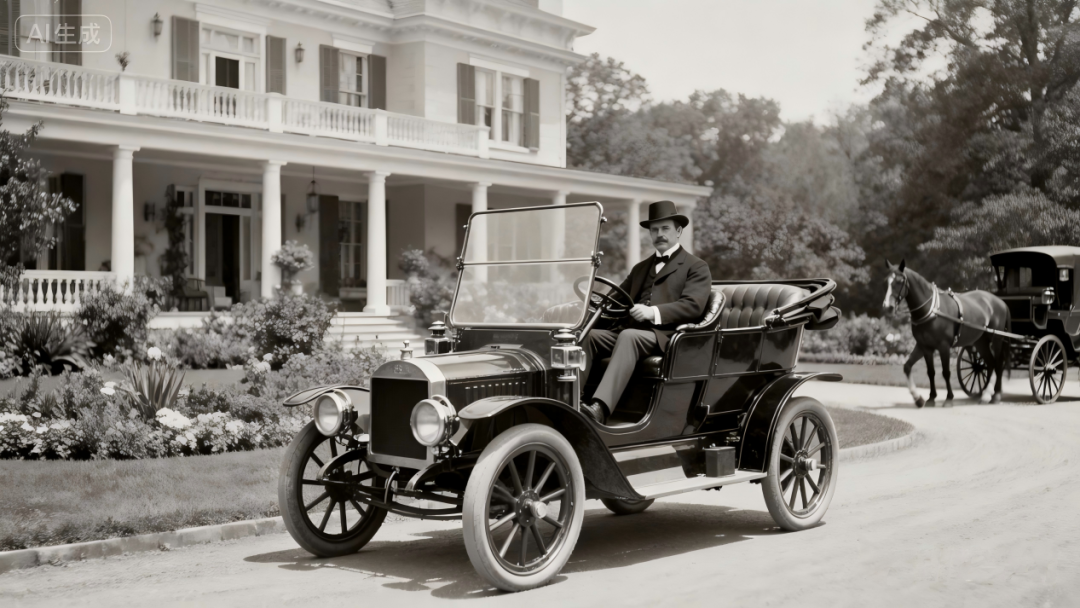
In 1908, the Buick Model 10 and the Ford Model T began offering windshields as an optional feature. While this was a major step forward for driver comfort, it was far from standard. Due to high manufacturing costs, glass was considered a high-end luxury. Only a wealthy few could afford the added protection of a flat glass pane; most drivers of the era were still grit-and-bearing it with nothing but their goggles.

If you have questions regarding automotive glass production, processing, or advanced machinery, or if you wish to discuss industry trends and future innovations, LandGlass is ready to collaborate.Leveraging our professional technical team, deep industry expertise, and comprehensive service system, we provide end-to-end technical support and customized solutions. Let’s work together to drive high-quality innovation in the automotive glass industry.

