

E-mail Subscription


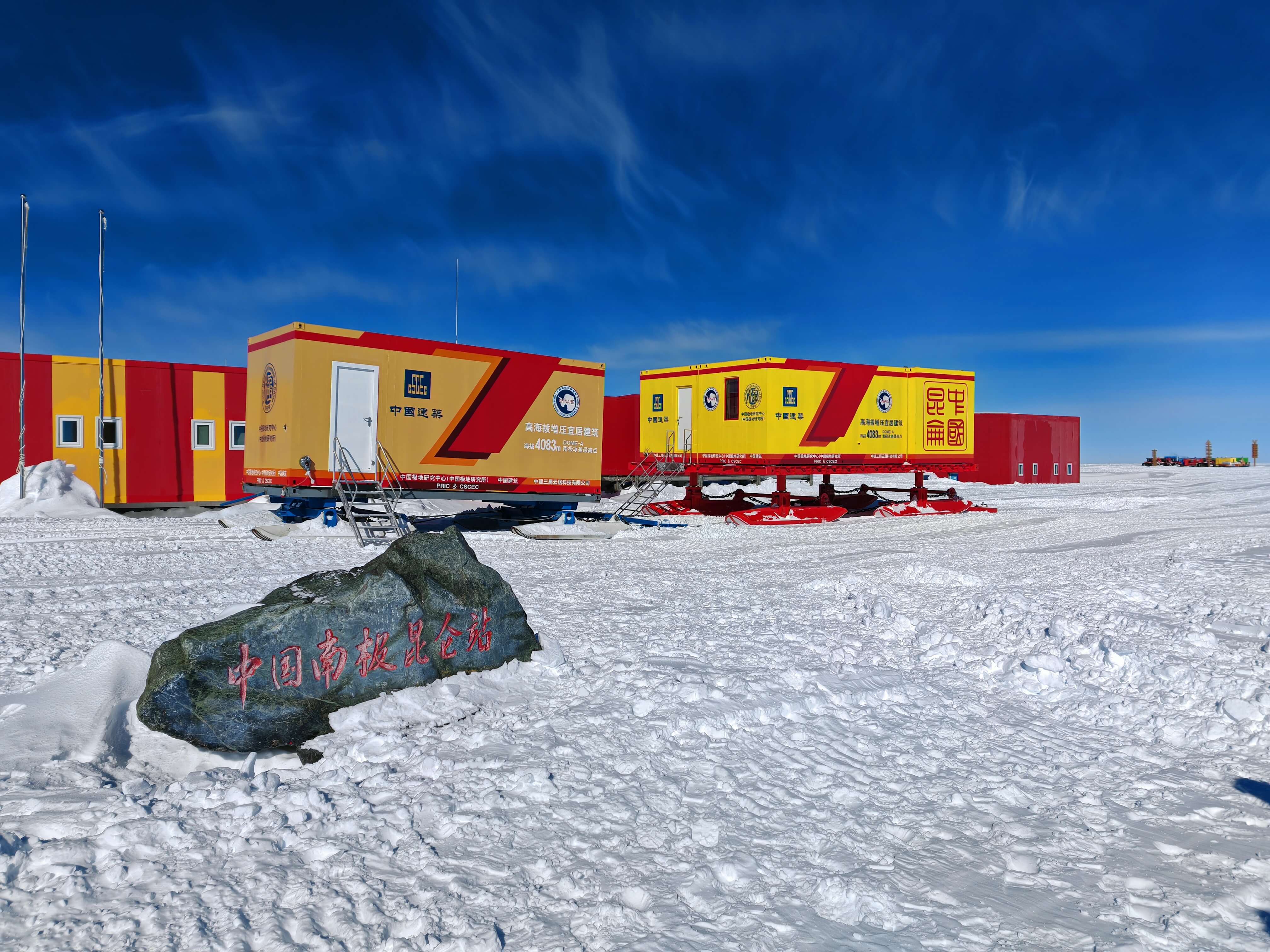
As China’s first inland Antarctic research station, Kunlun Station is located in the Dome A region at an altitude of 4,087 meters. The annual average temperature is approximately −50°C, while extreme winter temperatures can plunge below −80°C.
LandVac Titanium Vacuum Insulated Glass (VIG) provides the mobile research station with a transparent, thermally efficient glazing solution designed to support a warm, stable and comfortable interior environment, helping safeguard China’s scientific exploration in one of the most challenging environments on Earth.
Extreme Environments Put Glass to the Ultimate Test
The Antarctic interior is one of the harshest environments on the planet. For a research station, every window faces demanding challenges that go far beyond conventional glazing requirements.
Loss of visibility: The extreme temperature difference between the warm interior and the freezing outdoors can cause condensation and frost to form on conventional glass, obscuring visibility.
Reduced thermal efficiency: Condensation and ice formation can compromise the overall performance of a glazing system. Heat loss through windows can increase heating demand and energy consumption.
Risks to equipment and occupant health: Condensation dripping into the interior may damage precision instruments, electrical wiring and other sensitive equipment. Persistent moisture can also contribute to mold growth and affect indoor environmental quality.
LandVac Titanium Vacuum Glass: Engineered for Extreme Conditions
LandVac Titanium Vacuum Insulated Glass incorporates a high-vacuum cavity of just 0.3 mm between two glass panes. By significantly suppressing heat transfer through gaseous conduction and convection, and combining this with Low-E coatings to reduce radiative heat transfer, the technology delivers outstanding thermal insulation performance.
With a glazing-system U-value as low as 0.3 W/(m²·K), depending on the configuration and test conditions, LandVac VIG can provide substantially better thermal insulation than conventional insulating glass units (IGUs). Its thermal insulation performance can be approximately 2–4 times that of conventional IGUs, depending on the products being compared and the evaluation criteria.
LandVac’s proprietary flexible metal sealing technology is designed to maintain the integrity of the vacuum glazing structure under demanding temperature variations and environmental conditions, supporting long-term performance and reliability.
High-Vacuum Insulation for Clear, Unobstructed Views
The 0.3 mm high-vacuum cavity significantly reduces heat transfer through gas conduction and convection. Under the severe temperature differences encountered at Kunlun Station, maintaining a sufficiently high interior glass-surface temperature is essential to reducing the risk of condensation and frost.
By minimizing heat loss through the glazing, LandVac VIG helps keep the interior glass surface warmer, supporting clearer views and a more comfortable indoor environment in extreme cold.
Flexible Titanium Metal Sealing for Long-Term Stability
LandVac’s proprietary flexible titanium metal sealing technology is engineered to accommodate the stresses associated with temperature fluctuations. Its flexible metal sealing structure supports vacuum integrity and long-term glazing stability, helping the product withstand demanding environmental conditions over extended periods of use.
Ultra-Clear Glass and Low-E Coatings for High Optical Clarity
The combination of ultra-clear glass, with its low iron content, and carefully designed Low-E coatings balances thermal insulation with visible light transmission and color neutrality.
This combination helps preserve the clarity of the surrounding Antarctic landscape while delivering the thermal performance required for demanding polar applications, allowing researchers to maintain a clear visual connection with their environment.
Vacuum Cavity Performance Independent of Ambient Atmospheric Pressure
Unlike gas-filled insulating glass units, whose internal gas pressure and structural behavior can be affected by changes in atmospheric pressure, a properly sealed vacuum glazing cavity operates on a different principle.
LandVac VIG is therefore well suited to applications at high altitudes, where significant atmospheric pressure differences can present challenges for conventional gas-filled glazing systems. Its vacuum-based insulation technology supports consistent thermal performance without relying on a gas-filled cavity.
Beyond the Extreme: Protecting Comfort Through Advanced Glazing
From the sub-zero extremes of Dome A to energy-efficient buildings around the world, LandVac Titanium Vacuum Insulated Glass combines advanced vacuum insulation, flexible titanium metal sealing and high optical clarity to meet demanding glazing requirements.
By helping reduce heat loss while preserving clear views, LandVac VIG demonstrates how advanced glazing technology can support thermal comfort, energy efficiency and reliable performance—even in some of the most challenging environments on Earth.
LandVac — Beyond Glass. Built to Protect.